 ultimate-guide
What Makes Artisanal Tea Worth the Price
Last Updated: October 23, 2026
Quick Summary
What makes artisanal tea worth the price extends far beyond marketing, reflecting fundamentally different approaches to growing, harvesting, processing, and storing tea. Small farms prioritize flavor over yield, harvest at specific times when leaves contain optimal compounds, and process with care rather than speed, with these choices costing more at every stage but producing measurable differences in flavor complexity, aroma, and smoothness.
- A single cup of high-quality loose-leaf tea delivers more flavor complexity than three cups of commercial blends.
- Quality loose-leaf tea yields three to five infusions, costing roughly $0.30 to $0.35 per infusion when factoring in multiple steepings.
- Hand-harvesting allows pickers to select only the youngest, most tender leaves that produce the smoothest, most complex brews.
- Artisanal producers often package tea within days or weeks of processing, arriving fresher with more original character intact.
- A nylon tea bag can release billions of microplastic particles during steeping, while loose-leaf tea eliminates this concern entirely.
Table of Contents
- The Real Cost Behind Artisanal Tea
- Why Is Loose-Leaf Tea So Expensive
- How to Tell If Tea Is High Quality
- Loose-Leaf Tea vs. Tea Bags: What's the Difference
- How Much Loose-Leaf Tea Per Cup and Cost Per Serving
- Freshness, Storage, and Sustainability Matter
- Who Benefits Most from Paying More for Artisanal Tea
- Conclusion: The Value of Slowing Down
- Frequently Asked Questions
The Real Cost Behind Artisanal Tea
When you reach for a tin of artisanal tea, you're not just paying for leaves. You're paying for decisions made months before harvest, processing choices that take days instead of hours, sourcing relationships built over years, and freshness that matters more than most beverages. At Gravel Switch Emporium, we've spent considerable time understanding why what makes artisanal tea worth the price extends far beyond marketing.
The gap between a $5 box of tea bags and a $20 tin of loose-leaf tea isn't arbitrary. It reflects fundamentally different approaches to growing, harvesting, processing, and storing tea. A single cup of high-quality loose-leaf tea can deliver more flavor complexity, aroma, and smoothness than three cups of commercial blends. That difference is measurable, it's in the leaf grade, the harvest timing, and how the tea was handled after processing.
Here's what separates commodity tea from artisanal tea: small farms prioritize flavor over yield. They harvest at specific times of year when leaves contain the optimal balance of compounds. They process with care rather than speed. They source from curated growers who share their philosophy. These choices cost more at every stage, but they're also why the tea tastes different.
Why Is Loose-Leaf Tea So Expensive
Loose-leaf tea costs more because every decision in its production chain prioritizes quality over volume. A small farm producing 500 pounds of tea per year will never match the per-unit cost of a facility producing 50,000 pounds. But that's precisely the point, the smaller operation can control variables that industrial production cannot.
Sourcing from Small Farms and Curated Growers
Small farms and curated growers operate under different constraints than industrial tea producers. They can't compete on price, so they compete on flavor.
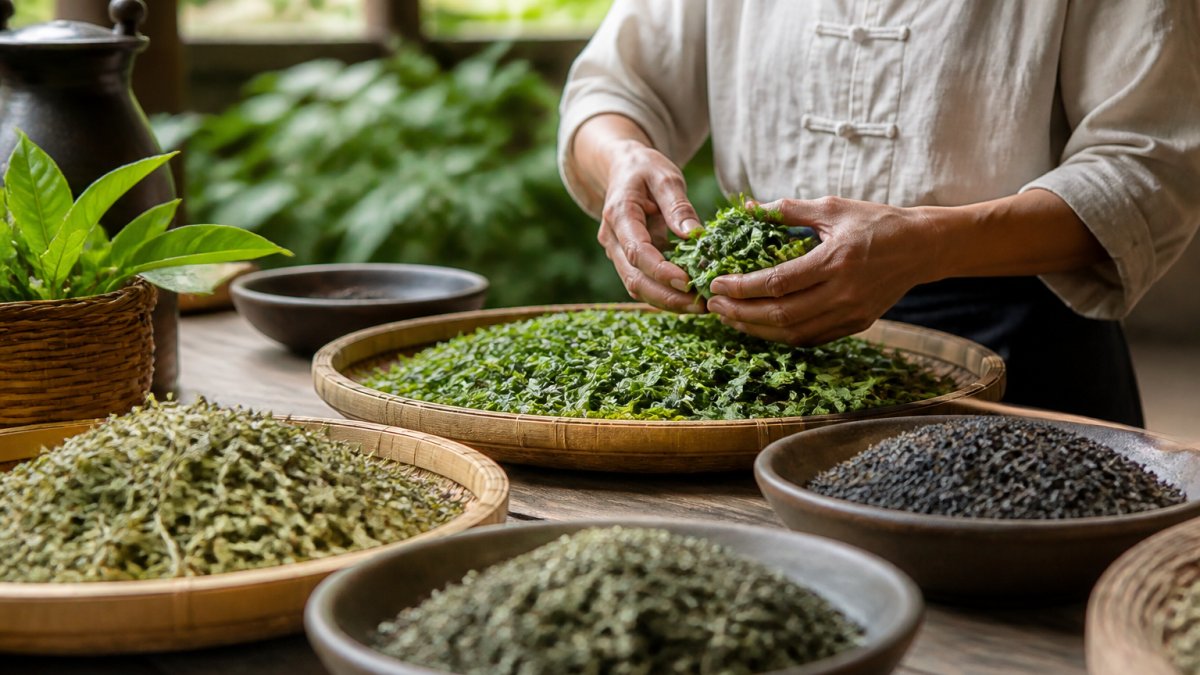
When you buy from curated growers, you're funding agriculture that requires more labor and attention. Hand-harvesting tea leaves costs significantly more than machine harvesting, but it allows pickers to select only the youngest, most tender leaves, the ones that produce the smoothest, most complex brews.
The supply chain also matters. Artisanal tea importers often work directly with growers, eliminating middlemen. This direct relationship means higher prices for the farmer and higher prices for the consumer, but it also means traceability. You know where your tea came from and how it was grown.
Processing and Harvest Methods
Processing determines flavor as much as the leaf itself. A tea leaf goes through distinct phases after harvest: withering, rolling or shaping, oxidation, and drying. Each phase requires precision. Temperature, humidity, timing, and technique all influence the final cup.
Artisanal producers often use traditional processing methods that take longer than industrial alternatives. Pan-firing green tea in a wok, for example, requires constant attention and skill. Machine drying is faster and more consistent, but it can scorch delicate leaves or strip away subtle aromatics.
Harvest timing adds another layer. The first flush of spring tea, the earliest leaves of the season, commands premium prices because those leaves contain specific compounds that develop only at that time of year.
How to Tell If Tea Is High Quality
Quality tea reveals itself through appearance, aroma, and flavor. Before you brew, you can assess much of what makes a tea worth its price by examining the leaves themselves.
Leaf Grade and Appearance
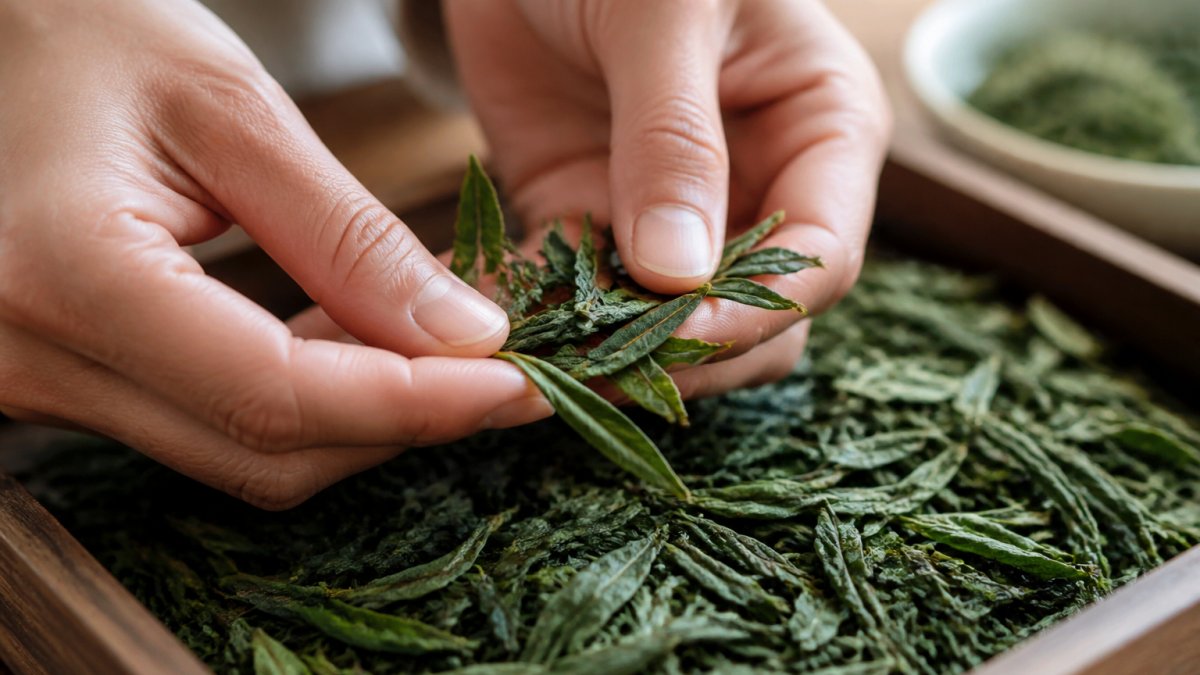
Leaf grade is a standardized classification system that describes the size and intactness of leaves. Whole leaves, the largest pieces, are graded highest. Broken leaves, fannings, and dust represent lower grades.
When you look at loose-leaf tea, you should see mostly whole leaves with consistent color. For green tea, the leaves should be vibrant, ranging from pale jade to deeper green depending on the varietal and processing.
Appearance also signals freshness. Faded color suggests the tea has been stored poorly or has aged significantly. Inconsistent leaf sizes suggest the tea was processed quickly without careful sorting.
Aroma, Flavor Complexity, and Tasting Notes
Before brewing, smell the dry leaves. High-quality tea should have a distinct, pleasant aroma, fruity, floral, sweet, earthy, or malty depending on the type. That aroma comes from volatile compounds that develop during processing.
When you brew, the aroma should intensify and evolve. A quality loose-leaf tea might smell fruity in the first infusion, floral in the second, and develop deeper, more malty notes in the third.
Flavor complexity follows a similar pattern. A single cup of artisanal tea should reveal multiple tasting notes, not all at once, but as you sip and as the tea cools slightly.
The balance of these elements matters more than any single characteristic. A tea with balanced flavor has sweetness without cloying, tannins without harshness, and complexity without confusion.
Loose-Leaf Tea vs. Tea Bags: What's the Difference
The choice between loose-leaf and tea bags affects both flavor and value. Understanding the differences helps you evaluate whether you're getting what you're paying for.
Leaf Quality and Brewing Consistency
Loose-leaf tea allows whole leaves to unfurl fully during steeping, which produces more consistent extraction and better flavor. The leaves expand as they absorb water, releasing compounds gradually.
Tea bags, by contrast, typically contain broken leaves, fannings, or dust. These smaller pieces extract quickly, often becoming bitter within a few minutes. A tea bag also restricts leaf movement, preventing full hydration and flavor release. Most tea bags deliver only a single, brief infusion before the flavor becomes thin or unpleasant.
The material of the tea bag matters too. Paper bags can impart a slight papery taste. Nylon bags, while more durable, are made from plastic-derived materials. Silk bags are better but still restrict water flow compared to loose leaves.
Microplastics and Plant-Based Materials
Conventional tea bags made from nylon or plastic-blended materials can release microplastics into your brew. Research has documented that a single nylon tea bag can shed billions of microplastic particles during steeping (pubmed.ncbi.nlm.nih.gov). These particles accumulate in your cup and, over time, in your body.
Plant-based tea bag materials, unbleached paper, hemp, or other natural fibers, avoid this problem entirely. They break down naturally and don't shed synthetic particles. However, even plant-based bags restrict leaf movement and prevent the full flavor extraction that loose-leaf tea provides.
For the best combination of flavor and safety, loose-leaf tea is the clear choice. You control the brewing vessel, the water quality, and the steeping time. You also eliminate the question of what's in the bag itself.
How Much Loose-Leaf Tea Per Cup and Cost Per Serving
Understanding cost per cup helps you evaluate whether artisanal tea is actually more expensive than it seems. A typical serving uses about one teaspoon of loose-leaf tea per cup, though this varies by tea type and personal preference.
A $21 tin of artisanal loose-leaf tea like our Raspberry Matcha or Blueberry Matcha contains roughly 30 grams, which yields approximately 20-25 cups depending on steeping strength. A $10 tea like Miss Allison's Decaf Blend or Granny's Orchard Tea in tea bag form yields about 16 cups, or roughly $0.63 per cup.


The comparison shifts when you factor in multiple infusions. A quality loose-leaf tea that yields three infusions effectively costs $0.30 to $0.35 per infusion. At that point, artisanal tea becomes competitive with or cheaper than commercial alternatives, while delivering superior flavor and eliminating microplastics.
Water quality also affects value. Filtered water brews better tea than tap water, so the cost of filtration should be factored in.
Freshness, Storage, and Sustainability Matter
Freshness is where artisanal tea shows its real advantage over mass-produced alternatives. Tea oxidizes over time, losing aroma and flavor complexity.
Small-batch artisanal producers often package tea shortly after processing, sometimes within days or weeks. They ship directly to consumers or carefully curated retailers, minimizing time in storage. The tea arrives fresher, with more of its original character intact.
Storage conditions also matter. Tea absorbs odors and moisture readily. It should be kept in airtight containers away from light, heat, and strong-smelling foods. Many artisanal producers ship in sealed tins or bags specifically designed to preserve freshness.
Sustainability connects to sourcing practices. Small farms that prioritize quality often use methods that build soil health and preserve ecosystems.
Who Benefits Most from Paying More for Artisanal Tea
Not everyone needs artisanal tea. The value proposition changes depending on how you drink tea and what you want from it.
If you drink tea casually, one cup a day, often while multitasking, commercial tea bags are probably fine. You're not sitting with the cup, noticing nuances, or seeking multiple infusions.
If you're a regular tea drinker who brews multiple cups daily, artisanal loose-leaf tea becomes economically sensible.
If you value sustainability, ingredient transparency, and supporting small producers, artisanal tea aligns with those priorities. You know where the tea came from, how it was grown, and how it was processed.
If you're interested in tea as a flavor experience, exploring different origins, processing styles, and tasting notes, artisanal tea is essential.
Conclusion: The Value of Slowing Down
What makes artisanal tea worth the price comes down to intentionality at every stage. From small-farm sourcing to careful processing to thoughtful packaging, artisanal tea represents a fundamentally different approach to agriculture and consumption. The premium you pay reflects real differences in labor, expertise, and care.
But the real value emerges when you slow down and actually taste the tea. A cup of artisanal loose-leaf tea becomes a moment of attention in a rushed day. You notice the aroma, the flavor evolution across infusions, the warmth of the cup in your hands.
At Gravel Switch Emporium, we believe that quality goods deserve your attention. We've curated a selection of artisanal teas, including our Raspberry Matcha and Blueberry Matcha, each chosen for its flavor complexity and careful sourcing.
Frequently Asked Questions
What makes artisanal tea different from regular tea?
Artisanal tea comes from small farms and curated growers who focus on quality over volume. These teas feature whole leaves rather than broken pieces, are often hand-processed, and come from specific origins with distinct flavor profiles. The sourcing, harvest timing, and processing methods create complexity and balance in flavor that mass-produced tea cannot match. Artisanal producers prioritize sustainability and freshness, ensuring leaves reach you at their peak.
Is loose-leaf tea really better than tea bags?
Yes, loose-leaf tea offers superior flavor and brewing consistency. Whole leaves expand fully in hot water, releasing more flavor compounds and allowing multiple infusions. Tea bags often contain fannings (broken leaf fragments) that brew quickly but produce flat, bitter tea. Loose-leaf tea also avoids microplastics found in some bag materials. While loose-leaf costs more upfront, the value per cup is competitive when you factor in multiple steepings and better taste.
How much loose-leaf tea should I use per cup?
Use about 1 teaspoon of loose-leaf tea per 8 ounces of water, adjusting to taste. Premium artisanal teas often require less because the leaves are whole and more flavorful. Many loose-leaf teas can be steeped 2-3 times, multiplying the value. This means a single serving of artisanal tea often costs less than mass-produced tea bags when you account for multiple infusions and superior flavor that doesn't require adding sweetener or cream.
Does expensive tea actually taste better?
Higher-priced artisanal tea typically does taste better because of leaf quality, origin, and processing. Teas from specific terroirs develop unique flavor notes, fruity, malty, sweet, or balanced, that reflect growing conditions and harvest timing. Quality loose-leaf tea has more aroma complexity and balanced flavor with controlled bitterness and tannins. However, price isn't everything; what matters is whether the tea matches your preferences and brewing technique. Starting with quality options like ceremonial-grade matcha or single-origin loose-leaf blends helps you understand the difference.