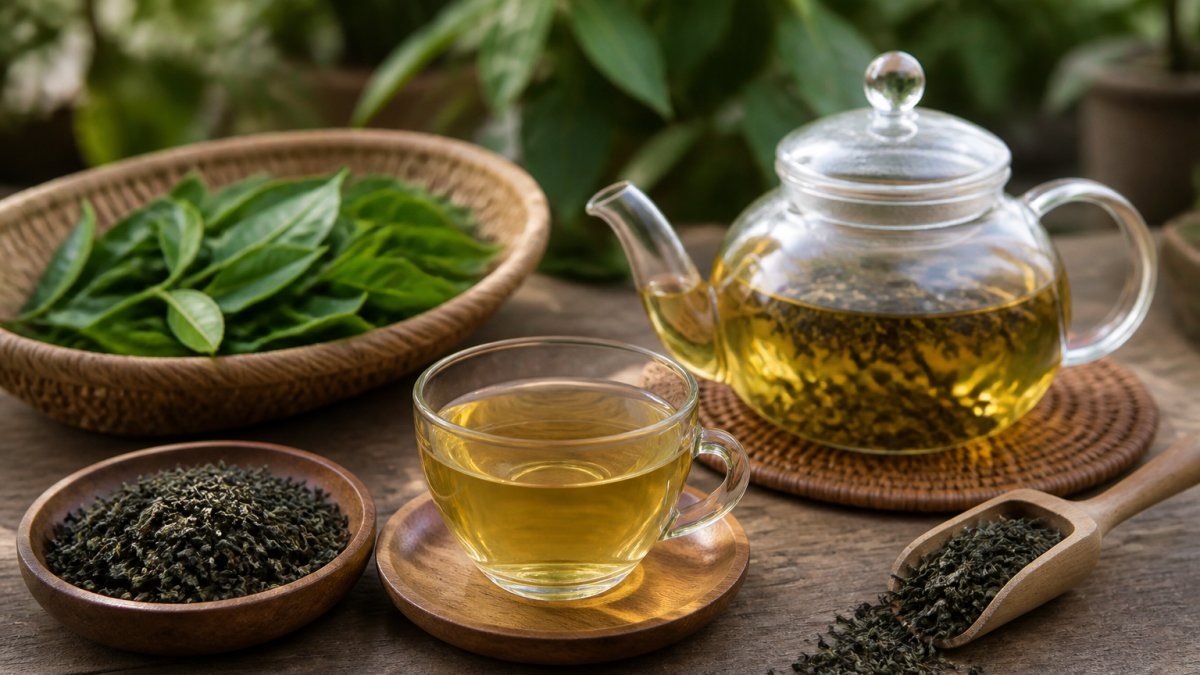
 comparison
Is Organic Tea Better for Health? A 2026 Guide
Table of Contents
- Organic vs Conventional Tea: What the Label Actually Means
- Pesticides in Tea: What Residue Testing Shows
- Is Organic Tea Better for Health? The Evidence on Nutrients and Antioxidants
- Healthiest Types of Tea: Organic and Conventional Compared
- Is Organic Tea Worth It? Cost, Flavor, and Farming Trade-Offs
- How to Choose Tea You'll Actually Enjoy
- Frequently Asked Questions
Last Updated: October 13, 2026
Organic vs Conventional Tea: What the Label Actually Means
Organic tea is tea grown without synthetic pesticides, herbicides, fungicides, or chemical fertilizers, and certified by a recognized authority that inspects the farm and supply chain. That is the short answer.
This guide from Gravel Switch Emporium looks at whether organic tea is better for health, where the evidence is strong, and where it gets oversold.
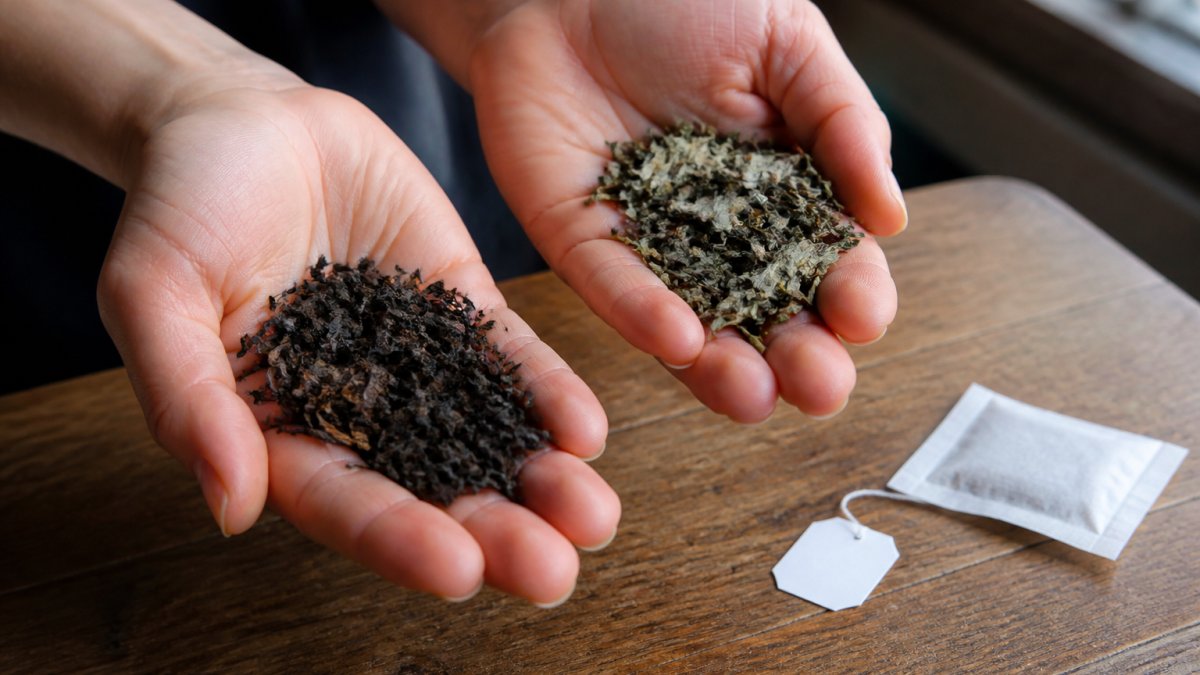
How USDA Organic Certification Works
USDA Organic certification is a verification system, not a marketing claim. Farms must follow USDA National Organic Program standards, which prohibit most synthetic pesticides and require buffer zones between organic and conventional fields.
What most shoppers miss is that certification covers the growing and handling process, not the final cup. It tells you how the leaves were farmed. It does not tell you how much of anything ended up in your mug.
Reading Certification Labels From Other Countries
Certification systems differ by country, and the rules are not interchangeable. The EU organic logo, Japan's JAS mark, and India's organic certifications each set their own standards for permitted substances and inspection frequency.
For imported tea, look for a certification body you can verify. If a package says "organic" with no certifier named, treat it as a claim rather than a guarantee.
What matters most: certification is a starting point for trust, not a finish line.
Pesticides in Tea: What Residue Testing Shows
Residue testing measures how much of a pesticide remains on tea leaves after harvest and processing. Conventional tea can carry detectable residues of synthetic pesticides, and organic tea generally shows lower or undetectable levels.
Residue limits are set by regulators, and most conventional tea sold in the United States falls within legal limits. The question is not whether residues exist, but whether the levels matter for health.
Why Exposure Risk Is Not the Same as Proven Harm
Detecting a residue is not the same as proving it causes harm. Risk depends on concentration, how much tea you drink, and how the leaves are prepared.
A common mistake is treating every detected residue as a health threat. In practice, regulators set limits with wide safety margins, and occasional exposure at low levels is not the same as chronic high-dose exposure.
Is Organic Tea Better for Health? The Evidence on Nutrients and Antioxidants
The honest answer is that organic tea is not proven to produce better long-term health outcomes than conventional tea. That is a different claim from "organic tea has lower pesticide residues," and the two get blurred constantly. Separating them is the whole game.
Two questions people actually mean
When someone asks whether organic tea is better for health, they are usually asking one of two things:
- Does organic tea contain more of the compounds associated with health benefits, antioxidants, polyphenols, L-theanine, caffeine?
- Does drinking organic tea lead to measurably better health outcomes, lower disease risk, fewer symptoms, longer life?
The first question has partial, mixed answers. The second has almost no direct evidence, because no long-term randomized trial has compared organic tea drinkers against conventional tea drinkers on health endpoints. Anyone who tells you otherwise is extrapolating.
What the nutrient comparison actually shows
Tea's main bioactive compounds, catechins (especially EGCG in green tea), theaflavins and thearubigins in black tea, L-theanine, and caffeine, come from the plant itself, not from the farming method.
Studies comparing organic and conventional tea leaves have generally found differences that are small, inconsistent, or explained by something other than the organic label, cultivar, leaf age, harvest season, altitude, soil mineral content, and processing method.
What does shift reliably with farming method is the residue profile, not the nutrient profile. That is where the real, defensible difference sits.
Why lower residue risk is not the same as proven benefit
This is the distinction most articles skip. Three separate things have to be true for "lower residues" to translate into "better health":
- The residues present in conventional tea must be at levels that actually cause harm.
- The reduction from choosing organic must be large enough to matter.
- The health effect must be observable over a realistic drinking pattern.
Regulators set tolerances for pesticide residues on tea with safety margins designed to protect consumers, and most conventional tea sold domestically falls within those limits. Detecting a residue is not the same as demonstrating harm.
So the accurate framing is: organic tea reduces a plausible exposure pathway. It does not demonstrably improve health outcomes. Those are not the same sentence, and treating them as interchangeable is how the category gets oversold.
Where organic tea does have a defensible edge
- Lower or undetectable synthetic pesticide residues in most comparative testing.
- No synthetic fertilizer inputs, which some consumers prefer for reasons that are partly environmental and partly personal.
- Traceability through certification, which gives you a verifiable supply chain rather than a marketing claim.
Where it does not
- Antioxidant content, not reliably higher.
- Flavor, not determined by the label.
- Caffeine or L-theanine levels, driven by leaf type, age, and processing, not certification.
For a balanced overview of what tea research does and does not support, the NIH information on tea and health is a reasonable starting point, and the FDA guidance on tea and food safety covers the regulatory side.
Healthiest Types of Tea: Organic and Conventional Compared
The healthiest tea is the one you actually drink, prepared well, and enjoy. Type matters more than certification for most health outcomes.
Here is how the main categories compare:
Tea Type | Processing | Caffeine | Best For |
|---|---|---|---|
Green tea | Minimal oxidation | Moderate | Antioxidants, daily drinking |
Black tea | Full oxidation | Higher | Bold flavor, morning routine |
Matcha | Stone-ground whole leaf | Moderate | Full-leaf nutrients, lattes |
Herbal tea | No true tea leaf | None | Caffeine-free evenings |
Decaf blends | Decaffeinated leaf | Minimal | Late-day comfort |
For ceremonial-grade options, our Raspberry Matcha ($25.00) and Blueberry Matcha ($25.00) use the whole leaf, so you get the full character of the tea in every cup.

NIH information on tea and health offers a balanced overview of what the research does and does not support.
Is Organic Tea Worth It? Cost, Flavor, and Farming Trade-Offs
Organic tea usually costs more per ounce, and the premium buys a specific set of things, not a blanket upgrade. Whether it is worth it depends on which of those things you actually care about.
What the premium is paying for
- Certification and inspection costs, annual audits, record-keeping, and buffer-zone management.
- Lower yields, organic farms often produce less per acre, which spreads fixed costs over fewer kilos.
- Smaller, more fragmented supply chains, more hands, more traceability steps, more cost.
None of that is a health claim. It is a cost structure.
Tea-specific residue mechanics most articles skip
Residue exposure from tea is not a single number. It depends on several variables that interact:
- Tea type. Whole-leaf teas and matcha are consumed differently. Matcha uses the entire ground leaf, so anything on or in the leaf is ingested. Steeped-and-discarded teas transfer only a fraction of surface residues into the cup.
- Leaf sourcing. Residues vary by origin, cultivar, and how close the harvest was to the last application. First-flush and early-season teas often carry lower residues than late-season picks.
- Testing method. Labs differ in detection limits and in which compound panels they screen. A "passed" result means it passed that panel at that threshold, not that the tea is residue-free.
The practical takeaway: if you drink matcha daily, the organic question matters more than if you drink a steeped-and-discarded black tea once a week.
Environmental trade-offs, measured honestly
Organic farming's environmental case is real but not absolute. The outcomes that tend to hold up:
- Reduced synthetic pesticide and herbicide load in the immediate growing area.
- Soil health indicators, organic matter, microbial activity, and structure often improve under organic management.
- Water quality, fewer synthetic inputs means less runoff risk into local waterways.
Where it gets more complicated:
- Yield per acre is often lower, which can mean more land used for the same output.
- Some approved organic inputs (certain copper-based fungicides, for example) carry their own environmental considerations.
- Outcomes depend heavily on the specific farm, not just the label. A well-managed conventional farm can outperform a poorly managed organic one on several measures.
A practical decision framework
Work through these in order. Stop when you hit the one that matters most to you.
- Do you drink matcha or whole-leaf tea daily? If yes, organic is the more cautious choice because you ingest the leaf.
- Is pesticide exposure a specific personal concern? If yes, organic reduces a plausible pathway, even without proven outcome benefits.
- Is environmental impact your main driver? Organic helps, but check the farm's practices, not just the seal.
- Is budget the constraint? A fresh, well-sourced conventional tea beats a stale organic one on almost every axis that affects your cup.
- Is flavor your priority? Ignore the label. Judge by harvest date, dry-leaf aroma, and processing quality.
Flavor and freshness: the variables that actually decide your cup
Organic certification does not make tea taste better or worse. What decides flavor:
- Harvest date, fresher is almost always better for green and white teas.
- Processing method, pan-fired, steamed, oxidized, roasted.
- Storage, light, heat, moisture, and oxygen degrade leaf quality fast.
A well-made conventional tea will beat a stale organic one every time. The reverse is also true.
How to Choose Tea You'll Actually Enjoy
Start with how you drink it, then work backward. If you take your tea iced in summer, a matcha whisked over ice holds up better than a delicate green. If you want a caffeine-free wind-down, a decaf blend beats forcing a late espresso.

Use this quick checklist when you shop:
- Check for a named certifier if organic matters to you
- Look for a harvest or packing date
- Smell the dry leaf if you can
The last point saves the most money. A tea you love in a small tin is worth more than a bargain bag you never finish.
Frequently Asked Questions
Does organic tea have fewer pesticide residues?
Yes, testing generally shows lower synthetic pesticide residues in organic tea because organic farming restricts synthetic pesticides, herbicides, and fungicides. However, lower residue levels do not automatically mean proven health outcomes improve. Most residue findings in conventional tea fall below regulatory safety limits, and researchers have not established that these trace amounts cause measurable harm in people who drink tea regularly. The practical takeaway: organic tea lowers your potential exposure, but the health benefit of that reduction is not yet quantified.
Is organic tea more nutritious than conventional tea?
Studies comparing antioxidant and nutrient content between organic and conventional tea have produced mixed results. Some research suggests slightly higher polyphenol levels in organic green tea, while other studies find no meaningful difference. Growing conditions, harvest timing, leaf grade, and how you brew your tea affect nutrient content far more than the organic label alone. A well-made conventional loose leaf tea can deliver comparable antioxidants to an organic tea bag, so focus on leaf quality and freshness as much as certification.
How can you tell if tea is certified organic?
Look for the USDA Organic seal on the packaging, which means the tea met federal production and handling standards and was certified by an accredited agent. Imported teas may also carry equivalent certifications from other countries, such as the EU organic logo or Japan's JAS mark. Be cautious with vague terms like 'natural' or 'pure,' which have no legal definition for tea. If a brand does not display a certification seal or list a certifying body, you cannot verify the organic claim.
Is it worth it to buy organic tea?
It depends on what you value. Organic tea typically costs more because organic farming yields less per acre and requires separate processing. If avoiding synthetic pesticide exposure matters to you, or you want to support soil health and biodiversity, the premium may feel justified. If your main goal is antioxidants and flavor, a high-quality conventional tea brewed well can serve you just as effectively. Many tea drinkers choose organic for their daily cup and conventional for occasional blends, balancing cost and preference.
Choosing tea well comes down to slowing down and paying attention: to how it was grown, how fresh it is, and how it fits your day. At Gravel Switch Emporium, we handpick small-batch teas with character, from ceremonial matcha to comforting decaf blends, so each cup feels like a small moment of comfort. Explore our tea collection and find the blend that makes your routine feel a little more yours.